Surviving the Deep: The Ocean’s Extremes

vcdiversity.org – Diving into the ocean’s depths is like embarking on a journey to another world. The deep sea, with its crushing pressures, freezing temperatures, and pitch-black darkness, is one of the most extreme environments on Earth. Yet, it is teeming with life that has adapted to survive these harsh conditions. This article explores the incredible survival strategies of deep-sea organisms and the challenges they face in the abyss.

The Crushing Pressure of the Deep

The deep ocean is a realm of intense pressure, with every 10 meters of descent adding another atmosphere of pressure. At the deepest parts of the ocean, the pressure can exceed 1,100 atmospheres. To withstand this, deep-sea creatures have developed unique adaptations. For instance, many have flexible bodies with minimal gas-filled spaces, allowing them to compress and decompress with changes in pressure. Some species have even evolved to have no skeleton at all, reducing the risk of structural collapse under pressure.

Freezing Temperatures and Warmth Without Sunlight

Temperatures in the deep sea can plummet to near freezing, yet life persists. Organisms like the Antarctic icefish have antifreeze proteins in their blood to prevent ice crystal formation. In the absence of sunlight, hydrothermal vents and cold seeps provide warmth and energy. These underwater hot springs and methane-rich areas host unique ecosystems where chemosynthetic bacteria convert chemical energy into food, supporting a diverse array of life, including giant tube worms and blind shrimp.

The Darkness of the Abyss

The deep sea is a world without light, where the sun’s rays cannot penetrate. To survive in perpetual darkness, many deep-sea creatures have developed large, light-sensitive eyes to detect the faintest bioluminescent glows. Others, like the anglerfish, produce their own light to attract prey or mates. Some species have evolved to live without sight altogether, relying on other senses such as smell or electroreception to navigate and find food.

The Hunt for Food in a Barren Landscape

The deep sea is a nutrient-poor environment, with food scarce and widely dispersed. To survive, deep-sea organisms have developed efficient hunting strategies. Some, like the giant squid, are apex predators with the ability to chase down agile prey like migrating fish. Others, like the deep-sea hatchetfish, have evolved to drift with the currents, conserving energy while waiting for food to come to them. Bioluminescence also plays a crucial role in the hunt, with many species using it to lure or startle prey.

Reproduction in Isolation

Reproduction in the deep sea is a challenge due to the vast distances and low population densities. Many deep-sea species have evolved to release millions of eggs into the open water, increasing the chances of fertilization. Some, like the deep-sea anglerfish, have bizarre mating rituals where the much smaller male latches onto the female and fuses with her body, becoming a permanent sperm-producing appendage.

Conclusion

The deep sea is a testament to the resilience and adaptability of life. Despite the extreme conditions, a diverse array of organisms has found ways to survive and thrive in the ocean’s depths. From withstanding crushing pressures to hunting in the dark, the survival strategies of deep-sea creatures are as fascinating as they are extreme. As we continue to explore this hidden world, we gain a deeper appreciation for the incredible life forms that call the deep sea home.


The History of Waikiki Beach: Sands of Time

vcdiversity.org – Nestled on the southern shore of Oahu, Hawaii, Waikiki Beach is a name synonymous with paradise. Its golden sands, turquoise waters, and swaying palm trees have attracted visitors from around the globe for over a century. But Waikiki’s allure is not just in its natural beauty; it’s also in its rich history, a tapestry woven from the threads of ancient Hawaiian culture, colonialism, tourism, and environmental resilience.

Ancient Hawaiian Heritage

Long before Waikiki became a global tourist destination, it was a sacred place to the Hawaiian people. The area was known as “Wai Kīkī,” meaning “spouting water” in Hawaiian, referring to the freshwater springs that once flowed into the sea. It was a place of royalty, where Hawaiian chiefs and their families would come to surf and relax. The beach was also a site of religious significance, with temples and heiau (places of worship) dotting the landscape.

The Arrival of Westerners

The 19th century marked a turning point for Waikiki. The arrival of Westerners, including missionaries and traders, began to transform the area. The most notable figure in Waikiki’s early history was King David Kalākaua, who reigned from 1874 to 1891. Known as the “Merrie Monarch,” Kalākaua was a proponent of Hawaiian culture and a lover of Waikiki. He built the Royal Hawaiian Hotel in 1878, the first hotel in Waikiki, to accommodate visitors and dignitaries. This act laid the foundation for Waikiki’s future as a tourist destination.

The Birth of Modern Tourism

The 20th century saw Waikiki evolve into the heart of Hawaii’s tourism industry. The completion of the trans-Pacific railroad and the advent of commercial air travel made it easier for people to visit Hawaii. The Royal Hawaiian Hotel, rebuilt in 1927, became a symbol of luxury and glamour, attracting celebrities and the wealthy. The beach itself became famous worldwide, thanks in part to Duke Kahanamoku, the “Ambassador of Aloha,” who popularized surfing as a sport and brought international attention to Waikiki.

Environmental Challenges and Resilience

Waikiki’s popularity came with challenges. Development and tourism put pressure on the environment, leading to issues like erosion, pollution, and loss of natural habitat. In response, efforts have been made to preserve and restore the beach’s natural beauty. Projects such as beach nourishment, where sand is added to the beach to combat erosion, and the protection of marine life through conservation efforts, have helped maintain Waikiki’s appeal.

A Modern Paradise

Today, Waikiki Beach remains one of the world’s most famous beaches. It’s a place where history and modernity converge, offering visitors a slice of paradise with a rich cultural heritage. From the iconic Diamond Head volcanic crater to the bustling streets of Kalakaua Avenue, Waikiki continues to enchant and inspire.

As we walk along the sands of Waikiki Beach, we tread on a landscape that has been shaped by centuries of history. The waves that lap at our feet have carried the stories of Hawaiian royalty, the dreams of early tourists, and the hopes for a sustainable future. Waikiki Beach is more than just a beautiful destination; it’s a living museum, a testament to the enduring allure of this Hawaiian paradise.

The Ultimate Climbing Challenge: Everest

vcdiversity.org – Mount Everest, the Earth’s highest mountain above sea level, has long been a symbol of human ambition and the ultimate challenge for climbers around the globe. Standing tall at 8,848.86 meters (29,031.7 feet), Everest represents not just a physical peak but a pinnacle of human endurance, skill, and determination. This article delves into the history, allure, and the formidable challenges that Everest presents to those who dare to climb it.

The Allure of Everest

Everest’s magnetic pull on adventurers and mountaineers is undeniable. Since its first successful ascent by Sir Edmund Hillary and Tenzing Norgay in 1953, the mountain has become a beacon for those seeking to push the boundaries of human capability. The desire to stand atop the world, to conquer the highest point on Earth, and to experience the unparalleled views from its summit are just a few of the reasons why climbers are drawn to Everest.

The Challenges of Climbing Everest

Physical Demands

Climbing Everest is an extreme physical challenge. It requires months, if not years, of preparation, including rigorous physical training to build endurance and strength. The thin air at high altitudes means that climbers must acclimatize slowly to avoid life-threatening conditions such as altitude sickness, pulmonary edema, or cerebral edema.

Technical Difficulties

The mountain presents numerous technical challenges, including navigating the Khumbu Icefall, climbing the treacherous Lhotse Face, and crossing the narrow and exposed Hillary Step. Climbers must be proficient in mountaineering techniques such as ice climbing, glacier travel, and rope management.

Weather and Climate

The weather on Everest is notoriously unpredictable. High winds, snowstorms, and sub-zero temperatures can strike without warning, making summit attempts extremely dangerous. Climbers have a small window of opportunity during the spring and fall when weather conditions are most favorable.

Mental Toughness

Perhaps one of the most underrated challenges of climbing Everest is the mental fortitude required. Climbers must be prepared to face isolation, extreme fatigue, and the constant presence of risk. The psychological resilience to continue in the face of adversity is as crucial as physical strength and technical skill.

The Impact of Everest Climbing

The quest to climb Everest has not been without controversy. The increasing number of climbers has raised concerns about safety, environmental impact, and the commercialization of mountaineering. However, it has also inspired countless stories of courage, camaraderie, and human achievement.

Conclusion

Everest remains the ultimate climbing challenge, a test of human limits that continues to captivate and challenge adventurers. For those who have stood on its summit, it is a life-changing experience. For those who have not, it remains a dream, a goal, and a symbol of the unconquerable spirit of exploration. Whether viewed from afar or up close, Everest stands as a testament to the enduring human desire to reach new heights, both literally and metaphorically.

A Journey to the World’s Hidden Gems: Island Escapes

vcdiversity.org – In an age where travel has become more accessible than ever, the allure of the unknown beckons the intrepid explorer. Beyond the well-trodden paths of tourist hotspots lie the world’s hidden gems—islands that offer a sanctuary of tranquility, natural beauty, and cultural richness. These island escapes promise an escape from the ordinary, inviting travelers to immerse themselves in the serene landscapes and vibrant communities that thrive far from the mainland.

The Allure of Island Escapes:
Islands have long been synonymous with paradise, conjuring images of pristine beaches, crystal-clear waters, and swaying palm trees. However, the true charm of island escapes lies not just in their physical beauty but in the unique experiences they offer. From the untouched coral reefs of the Maldives to the rugged coastlines of the Scottish Hebrides, each island tells a story, shaped by its geography, history, and the people who call it home.

Exploring the Hidden Gems:

  1. Komodo Island, Indonesia:

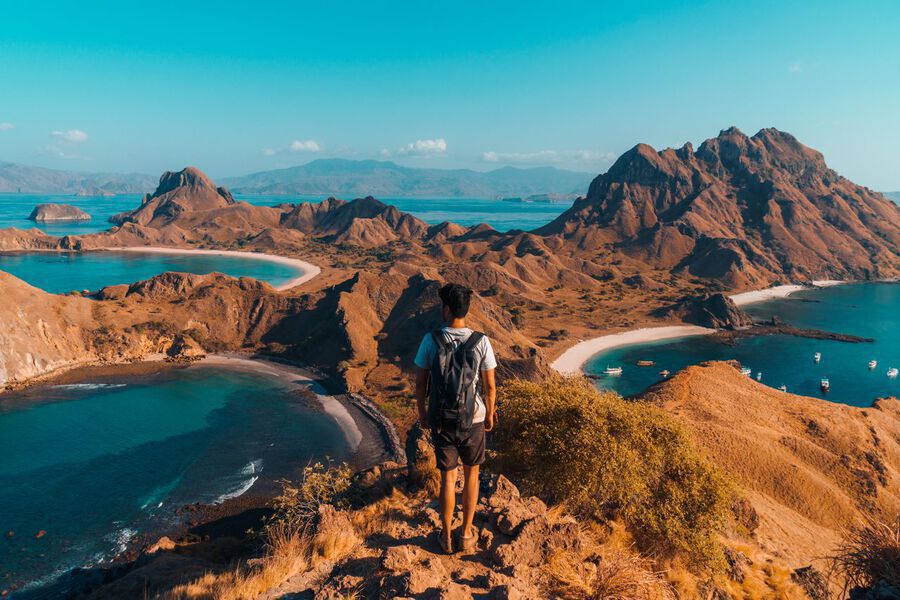
    Nestled between the islands of Sumbawa and Flores, Komodo Island is a wild and untamed paradise. Famous for its namesake, the Komodo dragon, the island is a UNESCO World Heritage Site and offers breathtaking landscapes of savannah, forest, and coastline. Snorkeling and diving in the surrounding waters reveal a kaleidoscope of marine life, making it a haven for nature enthusiasts.

  2. Isle of Skye, Scotland:

    The Isle of Skye is a land of misty mountains, dramatic cliffs, and fairytale castles. This rugged island is steeped in history and Celtic culture, offering visitors a chance to explore ancient ruins, sample local whisky, and hike the famous Cuillin Hills. The island’s remote beauty provides a perfect backdrop for those seeking a touch of the mystical.

  3. Fernando de Noronha, Brazil:

    Off the northeastern coast of Brazil lies the archipelago of Fernando de Noronha, a protected marine park with some of the most beautiful beaches in the world. The clear waters are a playground for divers and snorkelers, while the island’s relaxed vibe and sustainable tourism practices make it an eco-friendly escape.

  4. Sark, Channel Islands:

    Sark is a step back in time, with no cars to disturb the peace and a landscape that has changed little over the centuries. This tiny island in the English Channel offers a gentle pace of life, with opportunities for cycling, boating, and exploring its medieval castle. The island’s dark skies also make it a prime spot for stargazing.

  5. Palawan, Philippines:

    Often cited as one of the most beautiful islands in the world, Palawan is a slice of Eden with its emerald rice terraces, underground rivers, and hidden lagoons. The island’s biodiversity is astounding, and its remote beaches offer a sense of seclusion that is hard to find elsewhere.

The Art of Sustainable Travel:
As travelers seek out these hidden gems, it is crucial to approach them with respect and mindfulness. Sustainable travel practices, such as minimizing environmental impact, supporting local economies, and preserving cultural heritage, ensure that these islands remain pristine for future generations to enjoy.

Conclusion:
Island escapes offer a unique opportunity to disconnect from the hustle and bustle of daily life and reconnect with nature and oneself. Whether you’re drawn to the adventure of the great outdoors or the serenity of a secluded beach, the world’s hidden gems await. Each island tells a story, and it’s up to the traveler to listen, learn, and cherish these precious corners of the earth. So pack your bags, set your course for the horizon, and discover the magic of island escapes.

The Inner Planets: Mercury, Venus, Mars, and Earth

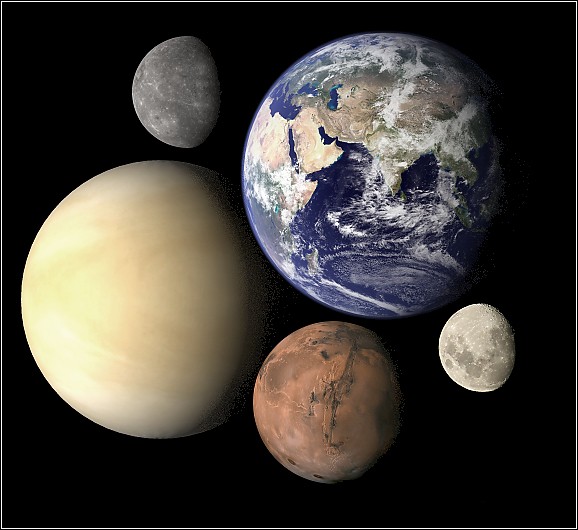
vcdiversity.org – The Inner Planets, also known as the Terrestrial Planets, are the four planets in our solar system that are closest to the Sun. They are Mercury, Venus, Earth, and Mars. These planets are called “inner” because they are located before the asteroid belt, which separates them from the outer planets. Here’s a brief overview of each:

  1. Mercury:
    • Mercury is the smallest planet in our solar system and the closest to the Sun.
    • It has no natural satellites and a very thin atmosphere, which cannot support life as we know it.
    • Mercury’s surface is heavily cratered, similar to Earth’s Moon, and it has extreme temperature variations due to its proximity to the Sun and lack of atmosphere.
  2. Venus:
    • Venus is the second planet from the Sun and is similar in size to Earth, often referred to as Earth’s “sister planet.”
    • It has a thick, toxic atmosphere that traps heat due to an extreme greenhouse effect, making it the hottest planet in the solar system.
    • Venus rotates very slowly and in the opposite direction to most planets (retrograde rotation), and it has a surface covered in volcanic rock and extensive lava plains.
  3. Earth:
    • Earth is the third planet from the Sun and the only known planet to support life.
    • It has a single natural satellite, the Moon, which plays a significant role in its tides and climate.
    • Earth’s atmosphere is composed of nitrogen and oxygen, which is vital for life, and it has a large amount of liquid water on its surface, making it unique among the planets.
  4. Mars:
    • Mars is the fourth planet from the Sun and is known as the “Red Planet” due to its reddish appearance, which is caused by iron oxide (rust) on its surface.
    • It has a thin atmosphere composed mostly of carbon dioxide, nitrogen, and argon.
    • Mars has the largest volcano and the deepest, longest canyon in the solar system, and it also has polar ice caps made of frozen water and carbon dioxide.

All four of these planets are relatively small, rocky, and have solid surfaces, which distinguishes them from the gas giants and ice giants that make up the outer planets. They also have relatively few moons compared to the outer planets, and none have rings like those found around Saturn and Uranus.