Natural Beauty Secrets Revealed: Unleash Your Inner Radiance

vcdiversity.org – In a world where beauty standards are often dictated by the media and the cosmetic industry, it’s easy to overlook the power of natural beauty. True radiance comes from within, and with the right knowledge and care, you can unlock your inner glow. Here are some timeless secrets to help you achieve and maintain your natural beauty.

1. Embrace a Healthy Lifestyle

The foundation of natural beauty is a healthy lifestyle. A balanced diet rich in fruits, vegetables, lean proteins, and whole grains provides essential nutrients that nourish your skin, hair, and nails. Regular exercise improves circulation, giving your skin a vibrant, youthful appearance. Adequate sleep is also crucial, as it allows your body to repair and rejuvenate, ensuring you wake up with that coveted ‘glow.’

2. Hydrate, Hydrate, Hydrate

Water is the elixir of life and the key to maintaining your skin’s elasticity and radiance. Aim to drink at least eight glasses of water a day to flush out toxins and keep your skin hydrated. Green tea, rich in antioxidants, is another excellent choice to boost your skin’s health and protect it from environmental damage.

3. Simplify Your Skincare Routine

Less is often more when it comes to skincare. A simple routine that includes cleansing, toning, and moisturizing twice a day can work wonders. Choose products that are free from harsh chemicals and are suitable for your skin type. Natural ingredients like aloe vera, honey, and coconut oil can provide gentle, effective care without the need for expensive, synthetic products.

4. Protect Your Skin from the Sun

The sun’s UV rays are one of the biggest threats to your skin’s health and appearance. Always apply a broad-spectrum sunscreen with an SPF of at least 30, even on cloudy days. Wear protective clothing and sunglasses, and try to avoid the sun during peak hours.

5. Practice Mindfulness and Self-Care

Beauty is not just skin deep; it’s also a reflection of your inner well-being. Practice mindfulness through meditation, yoga, or deep breathing exercises to reduce stress, which can wreak havoc on your skin and overall appearance. Make time for activities that make you happy and relaxed, as joy and peace are the ultimate beauty enhancers.

6. Get Moving

Physical activity is not just good for your body; it’s also great for your skin. Exercise increases blood flow, bringing oxygen and nutrients to the skin cells, and helps to remove toxins. Whether it’s a brisk walk, a yoga session, or a swim, find an activity you enjoy and make it a regular part of your routine.

7. Embrace Your Unique Beauty

Finally, remember that beauty is unique to each individual. Embrace your features, whether they’re considered conventional or not. Confidence is the most attractive trait, and when you feel good about yourself, it shines through in your appearance.

By incorporating these natural beauty secrets into your daily life, you can unleash your inner radiance and achieve a healthy, glowing appearance that comes from within. Remember, true beauty is timeless and ageless, and it starts with taking care of yourself, both inside and out.

Exploring Pageantry Standards Worldwide: Crowns of Beauty

vcdiversity.org – The world of pageantry is a dazzling arena where grace, poise, and beauty are celebrated. It’s a stage where contestants from all corners of the globe come together, not just to compete for a coveted crown, but to represent their cultures, advocate for their causes, and inspire others. Pageantry has evolved significantly over the years, with each country and pageant system developing its unique set of standards and criteria for determining the ultimate beauty queen. This article delves into the diverse pageantry standards worldwide, exploring what it takes to wear the crown of beauty in different parts of the globe.

The Evolution of Pageantry Standards

Pageantry has its roots in the beauty contests of the early 20th century, which primarily focused on physical appearance. However, as society’s perception of beauty expanded, so did the criteria for pageantry success. Today, pageants emphasize a holistic approach, considering not just physical beauty but also intelligence, talent, and social impact. This evolution reflects a broader societal shift towards valuing inner beauty and substance as much as outward appearance.

Global Pageantry Standards: A Closer Look

Europe: Elegance and Sophistication

In Europe, pageantry standards often emphasize elegance, poise, and a sophisticated demeanor. European pageants, such as Miss Europe, place a significant emphasis on cultural knowledge and the ability to represent one’s country on an international stage. Contestants are expected to be well-versed in global affairs and possess a certain level of refinement in their speech and conduct.

Asia: A Blend of Tradition and Modernity

Asian pageants, like Miss Universe China and Miss India, blend traditional beauty standards with modern values. Contestants are judged not only on their physical appearance but also on their understanding and respect for their cultural heritage. Additionally, there is a strong emphasis on education and social work, with many contestants involved in charitable causes and community service.

Americas: Confidence and Personality

In the Americas, pageants such as Miss USA and Miss Universe emphasize confidence, personality, and the ability to connect with audiences. Contestants are expected to be articulate, charismatic, and able to handle themselves well under pressure. The Q&A segment is a critical part of these pageants, where contestants’ intelligence and quick thinking are put to the test.

Africa: Empowerment and Advocacy

African pageants, including Miss Africa and Miss South Africa, focus on empowerment and advocacy. Contestants are encouraged to use their platforms to address social issues and promote positive change. The emphasis is on the contestants’ achievements, leadership qualities, and their potential to inspire others, particularly in the face of adversity.

The Impact of Pageantry Standards

The diverse standards of pageantry worldwide have a significant impact on how beauty and success are perceived. By setting high standards that go beyond physical appearance, pageants encourage personal development, education, and social responsibility. Contestants are motivated to become well-rounded individuals, capable of making meaningful contributions to society.

Conclusion

The world of pageantry is a testament to the multifaceted nature of beauty. From the elegance of Europe to the tradition and modernity of Asia, the confidence of the Americas, and the empowerment and advocacy of Africa, pageantry standards reflect the rich diversity of global cultures and values. As pageants continue to evolve, they play a crucial role in shaping perceptions of beauty and success, inspiring contestants and audiences alike to strive for excellence in all aspects of life. The crowns of beauty are not just symbols of physical attractiveness but also emblems of intelligence, talent, and the power to effect positive change.

Understanding Ingredients and Their Benefits: The Science of Skincare

In the vast and ever-evolving world of skincare, understanding the science behind the products we use is crucial for achieving healthy, radiant skin. With shelves lined with countless creams, serums, and lotions, each boasting a myriad of ingredients, it’s essential to decode these components and their benefits. This article delves into the science of skincare, shedding light on key ingredients and how they contribute to skin health.

The Building Blocks of Skincare

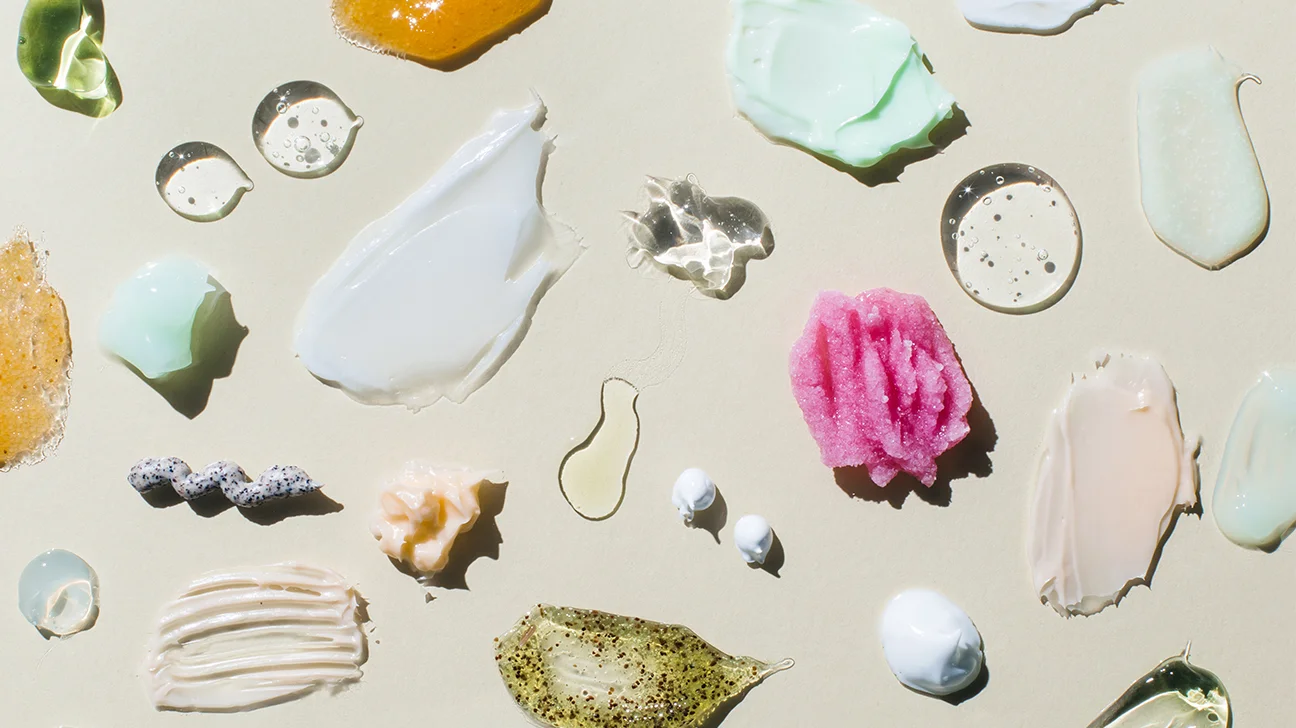
Skincare products are formulated with a blend of active and inactive ingredients. Active ingredients are the powerhouses that deliver specific benefits to the skin, while inactive ingredients serve as the base, helping to stabilize and preserve the formula.

Hydration Heroes: Hyaluronic Acid and Glycerin

Hydration is the cornerstone of healthy skin. Hyaluronic acid and glycerin are two of the most effective hydrating ingredients. Hyaluronic acid is a humectant that can hold up to 1000 times its weight in water, making it a potent moisturizer. It not only draws moisture into the skin but also helps to retain it, keeping the skin plump and reducing the appearance of fine lines.

Glycerin, another humectant, works similarly by attracting moisture from the air to the skin. It also helps to strengthen the skin’s barrier, enhancing its ability to retain moisture.

Antioxidants: Fighting Free Radicals

Antioxidants like vitamin C, vitamin E, and green tea extract are warriors in the fight against free radicals. These unstable molecules can damage skin cells, leading to premature aging and an increased risk of skin cancer. Antioxidants neutralize free radicals, protecting the skin from environmental stressors such as pollution and UV radiation.

Vitamin C, a potent antioxidant, also plays a crucial role in collagen synthesis, improving skin elasticity and texture. It has been shown to reduce hyperpigmentation and even out skin tone, making it a multifaceted ingredient in skincare.

Exfoliants: Revealing New Skin

Exfoliation is a key process in skin renewal, removing dead skin cells to reveal a smoother, more radiant complexion. Chemical exfoliants, such as alpha-hydroxy acids (AHAs) like glycolic acid and lactic acid, and beta-hydroxy acids (BHAs) like salicylic acid, are more effective and gentler than physical scrubs.

AHAs work on the surface of the skin, improving texture and reducing the appearance of fine lines. BHAs, on the other hand, can penetrate deeper into the pores, making them ideal for oily and acne-prone skin. Regular exfoliation can also enhance the effectiveness of other skincare products by allowing them to penetrate the skin more easily.

Soothing and Calming: Aloe Vera and Niacinamide

For sensitive or inflamed skin, ingredients like aloe vera and niacinamide offer soothing relief. Aloe vera is renowned for its anti-inflammatory and healing properties, making it an excellent choice for calming irritated skin and promoting wound healing.

Niacinamide, a form of vitamin B3, is a multitasking ingredient that reduces inflammation, redness, and signs of hyperpigmentation. It also strengthens the skin barrier, improving its ability to retain moisture and resist damage.

The Importance of Sun Protection

No skincare regimen is complete without sun protection. Ingredients like zinc oxide and titanium dioxide provide physical barriers that reflect UV rays, while avobenzone and oxybenzone absorb UV light, protecting the skin from sun damage. Daily use of sunscreen is essential in preventing premature aging and reducing the risk of skin cancer.

Conclusion

Understanding the science behind skincare ingredients empowers individuals to make informed choices about their skincare routines. By selecting products with beneficial ingredients tailored to their skin’s needs, individuals can achieve healthier, more radiant skin. Remember, the best skincare regimen is one that is consistent and suited to your skin type and concerns. Always patch test new products and consult with a dermatologist if you have specific skin conditions or concerns.

Plastic Surgery in Korea: The Allure of Transformation

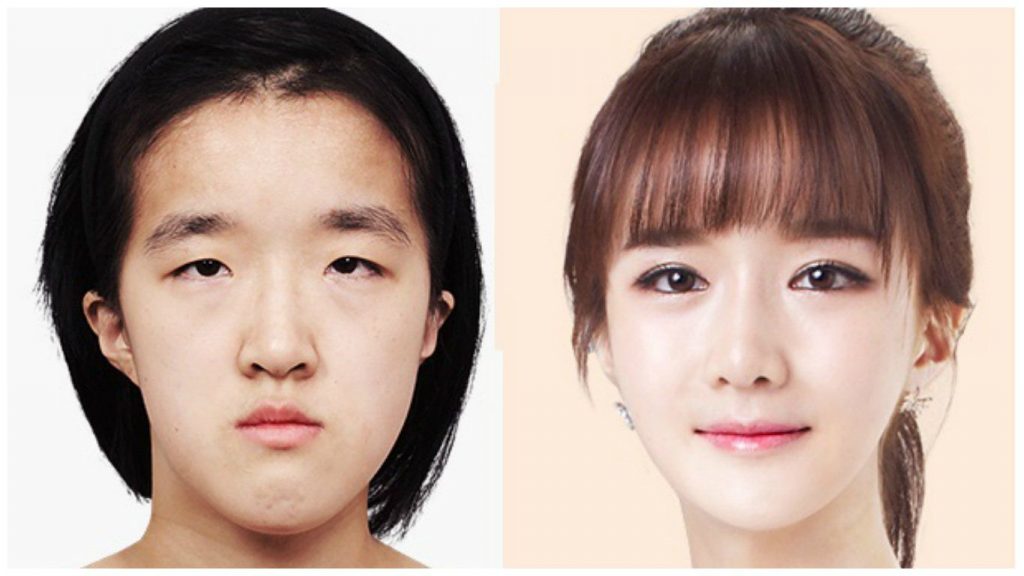
In the heart of East Asia, South Korea has emerged as a global capital for plastic surgery, a nation where the quest for aesthetic perfection is deeply ingrained in the cultural psyche. Known for its cutting-edge techniques, high safety standards, and innovative procedures, Korea’s plastic surgery industry has become a beacon for individuals worldwide seeking to reshape their appearance and, in many cases, their lives. This article delves into the phenomenon of plastic surgery in Korea, exploring its cultural significance, the types of procedures offered, and the ethical considerations that accompany its widespread popularity.

Cultural Significance:
Plastic surgery in Korea is more than a medical practice; it is a cultural phenomenon. The pressure to conform to societal beauty standards, which are heavily influenced by K-pop idols and K-drama stars, has led to a normalization of cosmetic procedures. In a society where appearance is often equated with success, both in personal and professional life, plastic surgery is seen as a means to enhance one’s chances in a competitive environment. The acceptance of plastic surgery is so pervasive that it is not uncommon for it to be given as a graduation gift or to be considered part of self-improvement routines.

The Korean Approach:
Korean plastic surgeons are renowned for their meticulous attention to detail and their ability to create natural-looking results. The country’s plastic surgery industry is highly regulated, ensuring that patients receive safe and quality care. Korean surgeons are at the forefront of technological advancements, often pioneering new techniques and treatments. This commitment to innovation has made Korea a leader in non-invasive procedures, such as laser skin resurfacing and thread lifts, as well as more traditional surgeries like rhinoplasty and blepharoplasty.

Popular Procedures:
One of the most sought-after procedures in Korea is the “Korean eye” surgery, medically known as blepharoplasty. This operation creates or enhances the double eyelid, a feature that is considered more aesthetically pleasing in Korean society. Rhinoplasty, or nose jobs, are also popular, as are facial contouring surgeries that reshape the jawline and cheekbones to achieve the coveted V-line face shape. Additionally, non-surgical treatments like Botox and fillers are widely embraced for their ability to provide subtle enhancements without the need for extensive recovery time.

Ethical Considerations:
While the plastic surgery industry in Korea is thriving, it is not without its critics. Some argue that the normalization of cosmetic procedures contributes to body dysmorphia and unrealistic beauty standards. There is concern that young individuals may be undergoing surgery without fully understanding the psychological implications. In response, the Korean government and medical associations have implemented stricter regulations and educational campaigns to promote informed consent and realistic expectations.

Conclusion:
Plastic surgery in Korea is a reflection of the country’s complex relationship with beauty and self-improvement. It is a testament to the skill and innovation of Korean surgeons and the cultural emphasis on appearance. As the industry continues to evolve, it is crucial to balance the pursuit of aesthetic perfection with a healthy appreciation for individuality and natural beauty. Whether viewed as a means to boost confidence or as a societal pressure, plastic surgery in Korea remains a fascinating and influential aspect of the country’s medical and cultural landscape.