
Krisis Ekonomi Global 2025: Negara Mana Saja yang Terancam?

WWW.VCDIVERSITY.ORG – Pada tahun 2025, dunia diprediksi akan menghadapi gejolak Krisis ekonomi yang signifikan. Ketidakpastian geopolitik, ketegangan dagang, hingga krisis iklim turut menjadi pemicu yang dapat menjatuhkan trisula88 resmi sejumlah negara ke dalam jurang krisis. Pertanyaannya, apakah Indonesia termasuk di dalam daftar negara yang diramal terpuruk tersebut?

Negara-Negara yang Diprediksi Terpuruk Ekonominya

Laporan dari beberapa lembaga keuangan global, termasuk IMF dan World Bank, menunjukkan bahwa beberapa negara berisiko tinggi mengalami tekanan ekonomi berat pada 2025. Faktor utamanya mencakup utang luar negeri tinggi, inflasi melonjak, hingga stabilitas politik yang goyah.

1. Sri Lanka

Negara ini masih berjuang pulih dari krisis 2022. Meski ada bantuan IMF, hutang luar negeri dan ketergantungan pada impor membuat Sri Lanka tetap berada dalam kondisi rentan.

2. Pakistan

Pakistan menghadapi tekanan inflasi tinggi, defisit perdagangan, serta cadangan devisa yang menipis. Jika tak ada reformasi besar, krisis baru bisa kembali menghantam.

3. Mesir

Krisis mata uang, lonjakan harga pangan, dan tekanan hutang telah membuat ekonomi Mesir berada di ujung tanduk.

4. Argentina

Negara ini langganan krisis ekonomi. Dengan inflasi yang mencapai 100% lebih dan utang membengkak, Argentina diramal mengalami tekanan berat di 2025.

5. Turki

Meski ekonomi tumbuh, kebijakan suku bunga rendah Erdogan menuai kontroversi. Ketidakstabilan nilai tukar dan inflasi tinggi bisa memicu krisis lanjutan.

Bagaimana dengan Indonesia?

Pertanyaan besar tentu muncul: apakah Indonesia akan ikut terpuruk dalam krisis global 2025? Jawabannya, tidak secara langsung, namun tetap harus waspada.

Indonesia memiliki fondasi ekonomi yang relatif kuat, terutama dari sisi konsumsi domestik dan ekspor komoditas. Namun, ada beberapa tantangan yang harus diwaspadai:

  • Kinerja ekspor yang menurun karena melemahnya permintaan global.

  • Utang luar negeri sektor swasta yang harus diawasi ketat.

  • Ketergantungan pada impor energi dan pangan bisa menjadi beban jika harga melonjak.

Pemerintah Indonesia sendiri telah menyiapkan sejumlah langkah mitigasi, termasuk memperkuat cadangan devisa, memperluas pasar ekspor non-tradisional, dan mengendalikan inflasi lewat subsidi serta kebijakan fiskal.

Peran Masyarakat dalam Menghadapi Krisis

Masyarakat juga punya peran penting dalam menghadapi potensi krisis ekonomi. Beberapa langkah sederhana yang bisa dilakukan antara lain:

  • Mengelola keuangan secara bijak, kurangi utang konsumtif.

  • Investasi pada aset yang aman seperti emas atau reksa dana pasar uang.

  • Tingkatkan keterampilan agar tetap kompetitif di dunia kerja.

Kesimpulan

Krisis global 2025 memang berpotensi terjadi, dan beberapa negara sudah berada dalam radar merah. Namun, Indonesia masih punya peluang besar untuk tetap stabil jika mampu menjaga kebijakan ekonomi yang prudent dan responsif.

Penting bagi pemerintah, pelaku usaha, dan masyarakat untuk bersiap sejak dini, agar gejolak ekonomi global tidak mengganggu ketahanan nasional.

Exploring Indonesia’s Dance: The Grace of Gamelan

vcdiversity.org – Indonesia, an archipelago nation in Southeast Asia, is renowned for its rich and vibrant cultural heritage. Among its many cultural treasures, the gamelan orchestra and traditional dance forms stand out as emblematic of the country’s artistic soul. These dance traditions, deeply intertwined with the music of the gamelan, are not just performances but windows into the heart of Indonesian culture, history, and spirituality.

The Harmony of Gamelan

At the heart of Indonesia’s dance traditions is the gamelan, an orchestra of percussion instruments that includes metallophones, xylophones, drums, and gongs. The gamelan’s music is characterized by its complex interlocking rhythms and melodies, creating a sound that is both intricate and harmonious. This music is not just a backdrop to the dances; it is an integral part of the performance, guiding the dancers’ movements and enhancing the overall experience for the audience.

The Dance Forms of Indonesia

Indonesia’s dance traditions are as diverse as its geography and ethnic groups. Each region has its unique styles and narratives, but they all share a common thread of grace, precision, and storytelling. Some of the most renowned dance forms include:

1. Wayang Wong

Wayang Wong, or “dance of the puppets,” is a theatrical performance that brings to life the characters from the wayang kulit (shadow puppet) plays. Dancers wear elaborate costumes and masks, embodying heroes, demons, and other mythical beings from the Hindu epics, the Mahabharata and Ramayana. These performances are not just entertainment but also a means of preserving and teaching moral and spiritual values.

2. Barong Dance

The Barong Dance, originating from Bali, is a ritualistic dance that depicts the eternal battle between good and evil. The Barong, a mythical lion-like creature, represents the forces of good, while the Rangda, a witch with magical powers, symbolizes evil. The dance is a visual spectacle, with the Barong and Rangda engaging in a dramatic confrontation, accompanied by the hypnotic rhythms of the gamelan.

3. Saman Dance

The Saman Dance, from Aceh in northern Sumatra, is a mesmerizing performance that showcases the dancers’ synchronization and endurance. The dancers sit in a circle, moving their bodies in unison to the rhythm of the chanting, creating a meditative and harmonious experience. The Saman Dance is recognized by UNESCO as a Masterpiece of the Oral and Intangible Heritage of Humanity.

The Significance of Dance in Indonesian Culture

Beyond their aesthetic beauty, Indonesia’s dance traditions play a crucial role in the country’s cultural and social life. They are a means of passing down stories, values, and history from one generation to the next. The dances often depict myths, legends, and historical events, serving as a living archive of Indonesia’s heritage.

Moreover, these dance forms are deeply spiritual, often performed during religious ceremonies and festivals. They are believed to bring blessings and ward off evil spirits, highlighting the intertwining of art, religion, and daily life in Indonesian culture.

Preserving the Tradition

In the face of modernization and globalization, Indonesia’s traditional dance forms face challenges, including the dwindling number of practitioners and audiences. However, efforts are being made to preserve and revitalize these cultural treasures. Dance schools, cultural institutions, and festivals are playing a crucial role in educating the younger generation and introducing these dances to a global audience.

Conclusion

The grace of gamelan and the beauty of Indonesia’s dance traditions are a testament to the country’s rich cultural heritage. These dances, with their intricate movements and profound meanings, continue to captivate audiences worldwide, offering a glimpse into the soul of Indonesia. As these traditions evolve and adapt to the modern world, they remain a source of pride and identity for the Indonesian people, a living legacy of their ancestors’ artistry and spirituality.

Indonesia’s Historical Trade Route: The Spice Islands

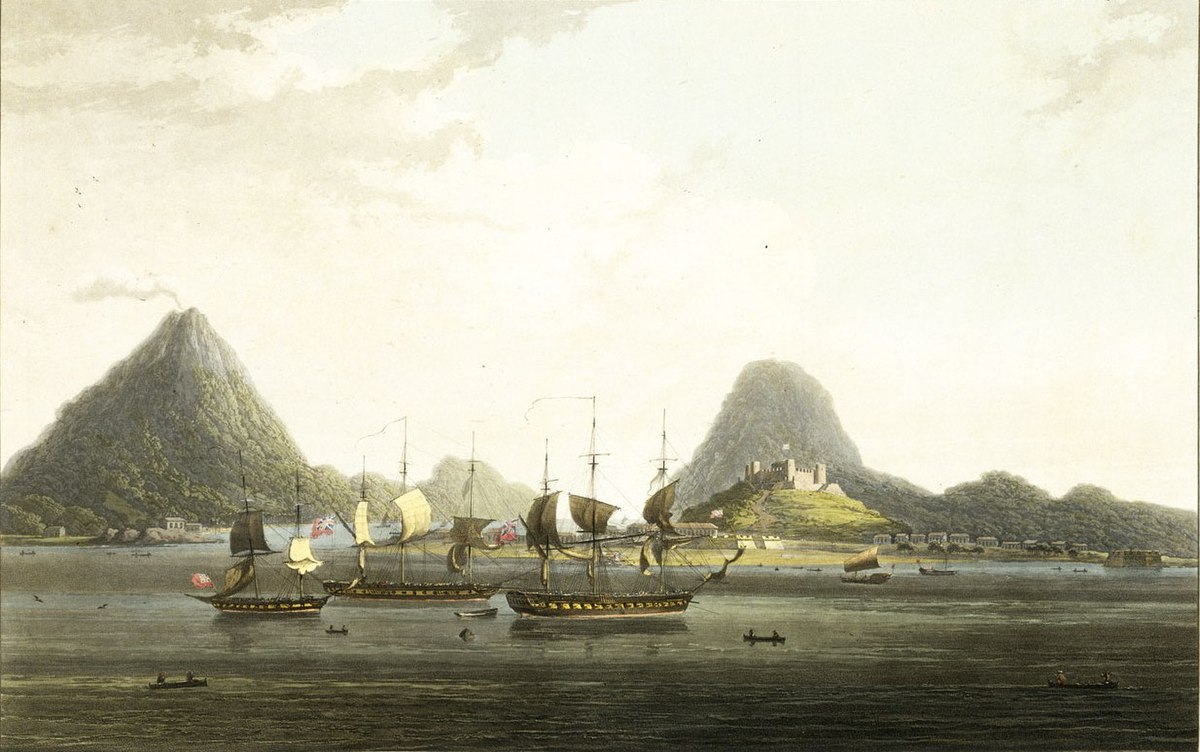
vcdiversity.org – The Spice Islands, also known as the Moluccas, are a group of islands located in eastern Indonesia. These islands have played a pivotal role in the history of global trade, primarily due to their unique position as the original source of highly prized spices such as nutmeg, mace, and cloves. The allure of these spices, which were not only used for flavoring food but also as preservatives and in medicine, drew explorers, traders, and colonizers from across the world, making the Spice Islands a crossroads of cultures and a battleground for economic supremacy.

The Rise of the Spice Trade

Pre-European Trade

Long before the arrival of Europeans, the Spice Islands were part of a vast trade network that connected Indonesia with India, China, and the Middle East. Arab and Indian traders had been exchanging spices for silk, porcelain, and other goods for centuries. The knowledge of these spices, however, was closely guarded, and the precise location of the Spice Islands remained a well-kept secret.

European Exploration

The quest for a direct sea route to the Spice Islands was one of the driving forces behind European exploration in the Age of Discovery. In 1511, the Portuguese were the first Europeans to reach the Moluccas, following the path opened by Vasco da Gama around the Cape of Good Hope. This was soon followed by the arrival of the Spanish, Dutch, and English, each seeking to control the lucrative spice trade.

The Spice Wars

Dutch and Portuguese Conflict

The Portuguese initially established forts and trading posts in the Spice Islands, but their control was short-lived. The Dutch, through the Dutch East India Company (VOC), challenged Portuguese dominance and eventually took control of the Moluccas in the early 17th century. The Dutch then implemented a monopoly on the spice trade, forcibly restricting the cultivation of spices to specific islands and destroying competing crops and trees elsewhere.

British Rivalry

The British East India Company also sought a share in the spice trade, leading to a series of conflicts known as the Anglo-Dutch Wars. The British ultimately focused on other parts of the East Indies, while the Dutch maintained control over the Spice Islands until the early 20th century.

The Legacy of the Spice Trade

Cultural Exchange

The Spice Islands’ history as a trade route has left a rich cultural legacy. The islands are home to a diverse mix of Indonesian, European, and South Asian influences, visible in the local architecture, cuisine, and traditions. The syncretism of religions and cultures has created a unique tapestry of communities.

Economic Impact

The spice trade had a profound impact on the global economy, influencing the development of modern capitalism and the rise of European maritime powers. The wealth generated from the spice trade financed exploration, colonization, and the expansion of European empires.

Environmental Consequences

The Dutch monopoly practices led to significant environmental changes in the Spice Islands. The forced cultivation of spices and the destruction of other crops disrupted local ecosystems and contributed to the loss of biodiversity.

Conclusion

The Spice Islands’ historical trade route is a testament to the power of commerce to shape history and culture. From the ancient spice routes to the European Age of Exploration, the quest for these precious commodities has left an indelible mark on the world. Today, the Spice Islands stand as a reminder of the complex interplay between trade, power, and culture, inviting visitors to explore their rich heritage and natural beauty.

AEON Mall: Pengaruh Global dan Kehadiran Strategis di Pasar Indonesia

vcdiversity.org – AEON Mall telah memperluas jejaknya di pasar global, beroperasi di negara-negara seperti Jepang, China, Kamboja, Myanmar, dan Vietnam. Kehadiran ini mencerminkan visi perusahaan untuk menjadi pemimpin dalam industri ritel dan pusat perbelanjaan.

Pembukaan AEON Mall di Indonesia

Tanda awal keberadaan AEON Mall di Indonesia ditandai dengan pembukaan pusat perbelanjaan pertamanya di BSD, Tangerang, pada Mei 2015. AEON Mall BSD City, berdiri megah di atas tanah seluas 55 ribu meter persegi, dilengkapi dengan sembilan lantai yang menyediakan berbagai pilihan belanja dan hiburan untuk pengunjung.

Fasilitas AEON Mall BSD City

Dengan kapasitas penyimpanan kendaraan yang besar, AEON Mall BSD City dapat menampung hingga 1.500 unit mobil dan 600 unit sepeda motor, menjamin kenyamanan dan aksesibilitas bagi pengunjungnya.

Sejarah dan Evolusi AEON Co., Ltd

AEON Co., Ltd, perusahaan yang mengatur AEON Mall, didirikan di Jepang dan berkembang dari inspirasi yang didapat Takuya Okada selama kunjungannya ke Amerika Serikat. Berawal dari Japan United Stores Company (JUSCO) pada tahun 1969, AEON telah berevolusi menjadi perusahaan multinasional yang tidak hanya bergerak di ritel tetapi juga di sektor real estate dan jasa keuangan.

Diversifikasi AEON Co., Ltd

Kini, AEON Co., Ltd menangani berbagai bidang bisnis, termasuk General Merchandise Store (GMS), supermarket, kesehatan dan kebugaran, serta layanan keuangan. AEON juga aktif dalam pengembangan pusat perbelanjaan, dengan kantor pusat yang berlokasi di Chiba, Jepang.

Kepemimpinan AEON Co., Ltd

Di bawah kepemimpinan Motoya Okada, yang menjabat sejak Maret 2020, AEON Co., Ltd terus berkomitmen pada filosofi keabadian dan fokus pelanggan, yang tercermin dalam nama Latinnya, AEON, yang berarti ‘keabadian’ atau ‘selamanya’.

AEON Mall, sebagai bagian dari ekspansi AEON Co., Ltd, telah memainkan peran penting dalam memperkaya pengalaman belanja di Indonesia dan negara-negara lain. Melalui inisiatif ini, AEON berupaya untuk terus menyediakan layanan yang berpusat pada pelanggan sambil menjaga pertumbuhan dan inovasi yang berkelanjutan dalam industri ritel global.