
The Phenomenon of “Who Wants to Be a Millionaire?”

vcdiversity.org – “Who Wants to Be a Millionaire?” is a globally recognized television game show that has captured the hearts and minds of millions of viewers around the world. Since its inception in 1998, the show has become a staple in popular culture, offering contestants the chance to win a life-changing sum of money by answering a series of multiple-choice questions. The format, which combines elements of trivia, strategy, and high-stakes drama, has made it one of the most successful and enduring game shows in history.

The Format That Changed Game Shows Forever

“Who Wants to Be a Millionaire?” revolutionized the game show genre with its innovative format. Contestants are asked increasingly difficult general knowledge questions, with the prize money doubling for each correct answer. The show’s most distinctive feature is the three lifelines – “50:50,” “Ask the Audience,” and “Phone a Friend” – which contestants can use when they are unsure of an answer. These lifelines add an element of strategy and viewer engagement, making the show not just a test of knowledge but also a game of wits.

The Host Factor: Charisma and Control

A significant part of the show’s success can be attributed to its hosts. The original British version, hosted by Chris Tarrant, set the standard for what a “Millionaire” host should be: charismatic, engaging, and able to control the tension and excitement of the game. In the United States, Regis Philbin became synonymous with the show, his warm demeanor and sharp wit endearing him to audiences. The role of the host is crucial in maintaining the show’s pace and atmosphere, making the contestant’s journey both relatable and thrilling for the viewers.

Global Reach and Cultural Impact

“Who Wants to Be a Millionaire?” has been adapted in over 100 countries, making it one of the most internationally successful game shows. Each adaptation brings its own cultural flavor to the format, but the core elements remain the same, ensuring its universal appeal. The show has also made its way into other media, including books, board games, and even a film adaptation, further cementing its place in popular culture.

The Appeal of Knowledge and Competition

At its heart, “Who Wants to Be a Millionaire?” is a celebration of knowledge and learning. It encourages viewers to test their own knowledge against the contestants and to learn from the questions asked. The competitive aspect of the show, where contestants can win or lose everything based on a single answer, adds an edge-of-the-seat tension that keeps viewers coming back. The show’s ability to combine education with entertainment has been a key factor in its longevity and success.

Conclusion: A Timeless Format

“Who Wants to Be a Millionaire?” has proven to be a timeless format, capable of adapting to different cultures and enduring changes in media consumption. Its blend of trivia, strategy, and high stakes has made it a beloved show that continues to captivate audiences around the world. As long as there is a desire for knowledge and the thrill of competition, “Who Wants to Be a Millionaire?” will undoubtedly remain a staple in the world of television game shows.
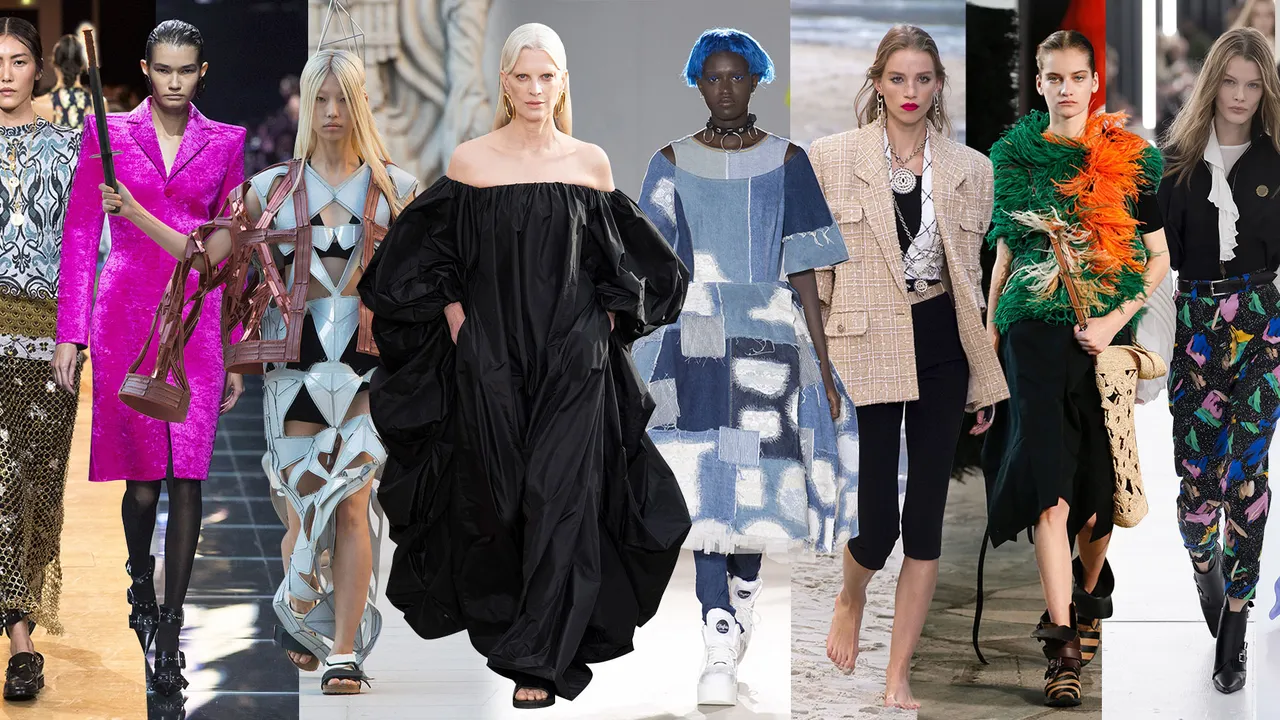
The Virtual Catwalk: The Rise of Digital Fashion Shows

vcdiversity.org – In the wake of the digital revolution, the fashion industry has undergone a significant transformation, with one of the most notable changes being the rise of digital fashion shows. These virtual catwalks have become a prominent feature in the industry, offering a new way for designers to showcase their collections, engage with audiences, and adapt to the challenges posed by global events such as the COVID-19 pandemic.

The Evolution of Fashion Presentation

Traditionally, fashion shows were exclusive, in-person events that took place during the major fashion weeks in cities like New York, Paris, Milan, and London. These shows were the highlight of the fashion calendar, where designers could present their latest creations to an audience of industry insiders, celebrities, and press. However, the format was inherently limited in terms of audience reach and accessibility.

The Advent of Digital Fashion Shows

The advent of digital technology and social media has democratized fashion, making it more accessible to a wider audience. Digital fashion shows leverage this technology to create immersive experiences that can be enjoyed by anyone with an internet connection. These shows often incorporate advanced technologies such as 3D modeling, augmented reality (AR), virtual reality (VR), and live streaming to create engaging and interactive experiences.

Benefits of Virtual Catwalks

Global Reach

One of the most significant advantages of digital fashion shows is their global reach. Unlike traditional shows that are limited by venue capacity, virtual shows can be attended by anyone, anywhere in the world. This inclusivity not only increases the visibility of the brand but also allows for a more diverse audience engagement.

Cost-Effectiveness

Digital fashion shows are often more cost-effective than their physical counterparts. The expenses associated with venue rental, set design, travel, and accommodation for models and guests are significantly reduced or eliminated. This allows brands to allocate their budgets more efficiently, potentially investing in more creative digital experiences or other aspects of their business.

Sustainability

The fashion industry has been under scrutiny for its environmental impact, and digital fashion shows offer a more sustainable alternative. By reducing the need for physical travel, these shows lower carbon emissions. Additionally, the digital format allows for the creation of digital-only garments, which do not require the production of physical materials.

Challenges and Criticisms

Despite their benefits, digital fashion shows also face challenges. Some critics argue that they lack the immediacy and emotional impact of a live show. The tactile experience of seeing garments in person and the energy of a live audience are difficult to replicate virtually. Moreover, the success of a digital show heavily relies on technological infrastructure, which can be a barrier for smaller brands or those in regions with limited internet access.

The Future of Digital Fashion Shows

As technology continues to evolve, digital fashion shows are likely to become even more sophisticated and immersive. The integration of AI, machine learning, and more advanced AR/VR technologies will enable even more interactive experiences, where viewers can virtually try on clothes or customize designs in real-time.

Furthermore, the hybridization of fashion shows, combining physical and digital elements, may emerge as a new standard. This approach allows brands to maintain the exclusivity and excitement of a live event while leveraging the accessibility and global reach of digital platforms.

Conclusion

The virtual catwalk has revolutionized the way fashion is presented and consumed. While it may not entirely replace the traditional fashion show, it has certainly carved out a significant space in the industry. As technology continues to advance, digital fashion shows will likely continue to evolve, offering new opportunities for creativity, engagement, and sustainability in the fashion world.