The Virtual Catwalk: The Rise of Digital Fashion Shows

vcdiversity.org – In the wake of the digital revolution, the fashion industry has undergone a significant transformation, with one of the most notable changes being the rise of digital fashion shows. These virtual catwalks have become a prominent feature in the industry, offering a new way for designers to showcase their collections, engage with audiences, and adapt to the challenges posed by global events such as the COVID-19 pandemic.

The Evolution of Fashion Presentation

Traditionally, fashion shows were exclusive, in-person events that took place during the major fashion weeks in cities like New York, Paris, Milan, and London. These shows were the highlight of the fashion calendar, where designers could present their latest creations to an audience of industry insiders, celebrities, and press. However, the format was inherently limited in terms of audience reach and accessibility.

The Advent of Digital Fashion Shows

The advent of digital technology and social media has democratized fashion, making it more accessible to a wider audience. Digital fashion shows leverage this technology to create immersive experiences that can be enjoyed by anyone with an internet connection. These shows often incorporate advanced technologies such as 3D modeling, augmented reality (AR), virtual reality (VR), and live streaming to create engaging and interactive experiences.

Benefits of Virtual Catwalks

Global Reach

One of the most significant advantages of digital fashion shows is their global reach. Unlike traditional shows that are limited by venue capacity, virtual shows can be attended by anyone, anywhere in the world. This inclusivity not only increases the visibility of the brand but also allows for a more diverse audience engagement.

Cost-Effectiveness

Digital fashion shows are often more cost-effective than their physical counterparts. The expenses associated with venue rental, set design, travel, and accommodation for models and guests are significantly reduced or eliminated. This allows brands to allocate their budgets more efficiently, potentially investing in more creative digital experiences or other aspects of their business.

Sustainability

The fashion industry has been under scrutiny for its environmental impact, and digital fashion shows offer a more sustainable alternative. By reducing the need for physical travel, these shows lower carbon emissions. Additionally, the digital format allows for the creation of digital-only garments, which do not require the production of physical materials.

Challenges and Criticisms

Despite their benefits, digital fashion shows also face challenges. Some critics argue that they lack the immediacy and emotional impact of a live show. The tactile experience of seeing garments in person and the energy of a live audience are difficult to replicate virtually. Moreover, the success of a digital show heavily relies on technological infrastructure, which can be a barrier for smaller brands or those in regions with limited internet access.

The Future of Digital Fashion Shows

As technology continues to evolve, digital fashion shows are likely to become even more sophisticated and immersive. The integration of AI, machine learning, and more advanced AR/VR technologies will enable even more interactive experiences, where viewers can virtually try on clothes or customize designs in real-time.

Furthermore, the hybridization of fashion shows, combining physical and digital elements, may emerge as a new standard. This approach allows brands to maintain the exclusivity and excitement of a live event while leveraging the accessibility and global reach of digital platforms.

Conclusion

The virtual catwalk has revolutionized the way fashion is presented and consumed. While it may not entirely replace the traditional fashion show, it has certainly carved out a significant space in the industry. As technology continues to advance, digital fashion shows will likely continue to evolve, offering new opportunities for creativity, engagement, and sustainability in the fashion world.


A Journey to the World’s Hidden Gems: Island Escapes

vcdiversity.org – In an age where travel has become more accessible than ever, the allure of the unknown beckons the intrepid explorer. Beyond the well-trodden paths of tourist hotspots lie the world’s hidden gems—islands that offer a sanctuary of tranquility, natural beauty, and cultural richness. These island escapes promise an escape from the ordinary, inviting travelers to immerse themselves in the serene landscapes and vibrant communities that thrive far from the mainland.

The Allure of Island Escapes:
Islands have long been synonymous with paradise, conjuring images of pristine beaches, crystal-clear waters, and swaying palm trees. However, the true charm of island escapes lies not just in their physical beauty but in the unique experiences they offer. From the untouched coral reefs of the Maldives to the rugged coastlines of the Scottish Hebrides, each island tells a story, shaped by its geography, history, and the people who call it home.

Exploring the Hidden Gems:

  1. Komodo Island, Indonesia:

    Nestled between the islands of Sumbawa and Flores, Komodo Island is a wild and untamed paradise. Famous for its namesake, the Komodo dragon, the island is a UNESCO World Heritage Site and offers breathtaking landscapes of savannah, forest, and coastline. Snorkeling and diving in the surrounding waters reveal a kaleidoscope of marine life, making it a haven for nature enthusiasts.

  2. Isle of Skye, Scotland:

    The Isle of Skye is a land of misty mountains, dramatic cliffs, and fairytale castles. This rugged island is steeped in history and Celtic culture, offering visitors a chance to explore ancient ruins, sample local whisky, and hike the famous Cuillin Hills. The island’s remote beauty provides a perfect backdrop for those seeking a touch of the mystical.

  3. Fernando de Noronha, Brazil:

    Off the northeastern coast of Brazil lies the archipelago of Fernando de Noronha, a protected marine park with some of the most beautiful beaches in the world. The clear waters are a playground for divers and snorkelers, while the island’s relaxed vibe and sustainable tourism practices make it an eco-friendly escape.

  4. Sark, Channel Islands:

    Sark is a step back in time, with no cars to disturb the peace and a landscape that has changed little over the centuries. This tiny island in the English Channel offers a gentle pace of life, with opportunities for cycling, boating, and exploring its medieval castle. The island’s dark skies also make it a prime spot for stargazing.

  5. Palawan, Philippines:

    Often cited as one of the most beautiful islands in the world, Palawan is a slice of Eden with its emerald rice terraces, underground rivers, and hidden lagoons. The island’s biodiversity is astounding, and its remote beaches offer a sense of seclusion that is hard to find elsewhere.

The Art of Sustainable Travel:
As travelers seek out these hidden gems, it is crucial to approach them with respect and mindfulness. Sustainable travel practices, such as minimizing environmental impact, supporting local economies, and preserving cultural heritage, ensure that these islands remain pristine for future generations to enjoy.

Conclusion:
Island escapes offer a unique opportunity to disconnect from the hustle and bustle of daily life and reconnect with nature and oneself. Whether you’re drawn to the adventure of the great outdoors or the serenity of a secluded beach, the world’s hidden gems await. Each island tells a story, and it’s up to the traveler to listen, learn, and cherish these precious corners of the earth. So pack your bags, set your course for the horizon, and discover the magic of island escapes.

Review Situs Trisula88: Apakah Ini Tempat Terbaik untuk Bertaruh

Situs Trisula88 telah menjadi salah satu situs taruhan online yang menarik perhatian banyak pemain, baik pemula maupun profesional. Dalam review ini, kita akan mengulas berbagai aspek dari Trisula88 untuk menentukan apakah ini memang tempat terbaik untuk bertaruh.

1. Keamanan dan Lisensi

Keamanan Situs: Trisula88 menggunakan teknologi enkripsi SSL untuk melindungi data dan transaksi pengguna, menjamin keamanan informasi pribadi dan keuangan.
Lisensi: Penting untuk mengetahui status lisensi dari Trisula88. Situs yang berlisensi menunjukkan bahwa mereka diawasi oleh otoritas terkait, menambah tingkat kepercayaan.
2. Varian Permainan

Ketersediaan Permainan: Trisula88 menawarkan beragam permainan, termasuk slot, permainan meja, dan taruhan olahraga. Variasi ini memungkinkan pemain untuk memilih permainan sesuai dengan preferensi mereka.
Kualitas dan Pengembang Permainan: Kolaborasi dengan pengembang permainan ternama menunjukkan kualitas permainan yang tinggi dan gameplay yang adil.
3. Bonus dan Promosi

Bonus Selamat Datang: Trisula88 menawarkan bonus selamat datang yang menarik untuk pemain baru, yang bisa menjadi dorongan awal yang baik.
Promosi Berkelanjutan: Penawaran reguler seperti bonus isi ulang, cashback, dan loyalty programs menambah nilai tambah bagi pemain reguler.
4. Pengalaman Pengguna

Antarmuka Pengguna: Desain situs yang intuitif dan mudah digunakan penting untuk pengalaman bertaruh yang menyenangkan. Trisula88 memiliki antarmuka yang rapi dan navigasi yang mudah.
Kompatibilitas Mobile: Situs yang responsif atau aplikasi mobile yang baik adalah esensial untuk pemain yang ingin bertaruh dari perangkat mobile.
5. Dukungan Pelanggan

Ketersediaan: Dukungan pelanggan yang cepat dan efisien adalah kunci untuk menyelesaikan masalah dan pertanyaan. Trisula88 menawarkan dukungan melalui beberapa saluran, termasuk live chat, email, dan telepon.
Bahasa: Dukungan multibahasa akan menjadi nilai tambah, terutama untuk pemain internasional.
6. Metode Pembayaran

Variasi dan Kecepatan: Trisula88 menyediakan berbagai metode pembayaran yang aman, termasuk kartu kredit, e-wallet, dan transfer bank. Kecepatan proses transaksi juga penting untuk dipertimbangkan.
7. Kesimpulan
Situs Trisula88 menawarkan beragam permainan, bonus menarik, dan pengalaman pengguna yang solid. Keamanan situs yang terjamin dan dukungan pelanggan yang handal menambah nilai lebih. Namun, penting bagi calon pemain untuk mempertimbangkan semua aspek ini dan melakukan penelitian tambahan, termasuk membaca ulasan dari pengguna lain, sebelum memutuskan apakah Trisula88 adalah tempat terbaik untuk bertaruh. Selalu berjudi dengan bertanggung jawab dan sesuai dengan kemampuan finansial Anda.

The Gucci Effect: Luxury Fashion in the Modern Era

vcdiversity.org – In the ever-evolving landscape of fashion, few brands have managed to capture the zeitgeist quite like Gucci. Once a symbol of old-world elegance and understated luxury, Gucci has undergone a remarkable transformation, emerging as a powerhouse of modern luxury fashion. This phenomenon, often referred to as the “Gucci Effect,” has not only redefined the brand’s identity but has also had a profound impact on the broader luxury fashion industry. This article delves into the essence of the Gucci Effect and its implications for luxury fashion in the modern era.

The Gucci Effect: A Renaissance of Luxury
Under the creative direction of Alessandro Michele, who took the helm in 2015, Gucci has experienced a renaissance. Michele’s eclectic, gender-fluid, and maximalist aesthetic has resonated with a new generation of consumers, propelling Gucci to the forefront of fashion. The brand’s ability to blend high fashion with pop culture, art, and history has created a unique narrative that speaks to the modern consumer’s desire for individuality and expression.

The Power of Storytelling
Gucci’s success can be attributed, in part, to its mastery of storytelling. Each collection tells a story, often drawing on themes of nostalgia, surrealism, and inclusivity. This narrative-driven approach has not only made Gucci’s products more desirable but has also fostered a sense of community among its customers. The brand’s campaigns, which feature a diverse array of models and celebrities, further this narrative, making Gucci’s story one that many can relate to and aspire to be a part of.

The Digital Revolution
In the digital age, luxury brands must navigate the complexities of social media and e-commerce while maintaining their exclusivity. Gucci has been at the forefront of this digital revolution, leveraging platforms like Instagram to engage with its audience in innovative ways. The brand’s use of augmented reality, virtual try-ons, and digital campaigns has not only increased its visibility but has also allowed it to remain relevant and accessible to a global audience.

Sustainability and Innovation
As consumers become more environmentally conscious, luxury brands are under increasing pressure to adopt sustainable practices. Gucci has responded to this challenge by committing to reducing its environmental impact. The brand has introduced sustainable lines, such as Gucci Circular Lines, which feature recycled and organic materials. Gucci’s commitment to innovation extends beyond sustainability, with the brand exploring new technologies like blockchain to combat counterfeiting and ensure the authenticity of its products.

The Gucci Effect on the Industry
The Gucci Effect has had a ripple effect across the luxury fashion industry. Other brands have taken note of Gucci’s success, leading to a broader shift towards more inclusive, narrative-driven, and digitally savvy approaches. The industry is now more open to experimentation and collaboration, with luxury brands increasingly partnering with artists, designers, and even other brands to create unique and engaging experiences for consumers.

Conclusion:
The Gucci Effect is more than just a revitalization of a single brand; it represents a paradigm shift in luxury fashion. By embracing innovation, storytelling, and digital engagement, Gucci has set a new standard for what luxury can mean in the modern era. As the industry continues to evolve, the lessons of the Gucci Effect will undoubtedly shape the future of luxury fashion, emphasizing the importance of creativity, sustainability, and connection in a rapidly changing world.

NASA’s Quest for Interplanetary Exploration: The Journey to Mars

vcdiversity.org – The allure of Mars has captivated the human imagination for centuries, inspiring countless stories, theories, and dreams of interplanetary travel. In the realm of science and technology, NASA has taken the lead in turning this dream into a reality. The Journey to Mars is not just a mission; it’s a quest that represents the pinnacle of human curiosity, innovation, and the relentless pursuit of knowledge. This article delves into the intricate details of NASA’s ambitious plan to explore the Red Planet, highlighting the challenges, milestones, and the ultimate goal of establishing a human presence on Mars.

The Vision and Strategy:
NASA’s journey to Mars is a multifaceted endeavor that encompasses robotic exploration, scientific research, and the eventual goal of sending humans to the Red Planet. The agency’s strategy is built on a step-by-step approach, with each mission laying the groundwork for the next. The vision includes sending humans to Mars in the 2030s, with the ultimate aim of sustaining life there.

Robotic Precursors:
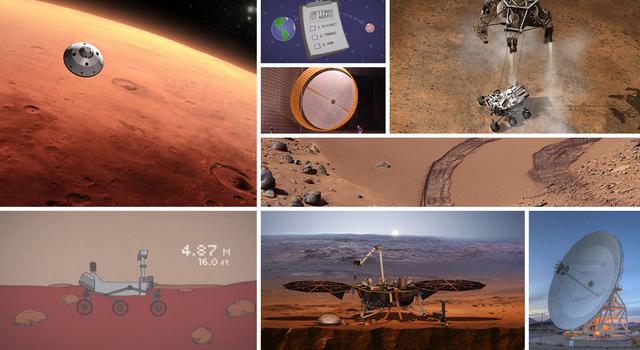
Before humans set foot on Mars, NASA has deployed a series of robotic missions to scout the terrain, study the climate, and search for signs of past life. Missions like the Mars Reconnaissance Orbiter, Mars Science Laboratory (Curiosity rover), and the Perseverance rover have provided invaluable data about the Martian environment. These robotic explorers have also been tasked with identifying potential landing sites and collecting samples that could be returned to Earth for further analysis.

Technological Innovations:
The journey to Mars requires groundbreaking technology to ensure the safety and success of the mission. NASA is developing the Space Launch System (SLS), the most powerful rocket in the world, to carry the Orion spacecraft, which will transport astronauts to deep space. The agency is also working on the Mars 2020 rover, which will demonstrate technologies for producing oxygen from the Martian atmosphere, a critical step for future human exploration.

Human Habitation and Sustainability:
For long-term exploration and habitation, NASA is researching ways to sustain life on Mars. This includes developing habitats that can withstand the harsh Martian environment, creating systems for growing food, recycling water, and generating power. The agency is also exploring in-situ resource utilization (ISRU), which involves using materials found on Mars to support the mission, reducing the need for supplies from Earth.

International and Commercial Partnerships:
NASA recognizes that the journey to Mars is a global challenge that requires international collaboration. The agency is working with space agencies from Europe, Russia, Canada, Japan, and other countries to share expertise and resources. Additionally, NASA is fostering partnerships with commercial space companies to develop new technologies and spacecraft that can support the mission.

The Journey Ahead:
The journey to Mars is fraught with challenges, including the health risks posed by long-duration spaceflight and exposure to cosmic radiation, the psychological effects of isolation, and the technical difficulties of landing large payloads on the Martian surface. Despite these obstacles, NASA’s commitment to overcoming these hurdles remains unwavering.

Conclusion:
NASA’s quest for interplanetary exploration and the journey to Mars represent a monumental leap for humanity. It is a testament to our species’ indomitable spirit of exploration and our desire to push the boundaries of what is possible. As NASA continues to forge ahead with its Mars program, the world watches with anticipation, knowing that each step taken is a step closer to realizing the dream of becoming a multiplanetary species. The journey to Mars is not just about reaching another world; it’s about expanding the horizons of human potential and ensuring the future of our civilization among the stars.

A History of Royal Cuisine: The Regal Table

vcdiversity.org – Throughout history, the dining habits and culinary preferences of royalty have not only reflected the wealth and power of their reign but also influenced the gastronomic landscape of their era. The regal table has been a stage for the display of opulence, a laboratory for culinary innovation, and a diplomatic tool for forging alliances and celebrating peace. This article delves into the rich history of royal cuisine, exploring its evolution, its impact on culture, and the stories behind some of the most iconic dishes that have graced the tables of kings, queens, and emperors.

The Origins of Royal Cuisine:
The concept of royal cuisine dates back to ancient civilizations, where rulers sought to distinguish themselves from their subjects through elaborate feasts. In ancient Egypt, pharaohs were believed to dine on exotic foods, such as gazelle and ibis, prepared by specialized chefs. Similarly, in the courts of Imperial China, the emperors enjoyed a vast array of dishes, with each meal consisting of numerous courses designed to balance flavors and textures.

The Medieval Feast:
During the Middle Ages, European royalty embraced the art of the feast, with banquets that could last for days. These events were not just about eating; they were spectacles that showcased the wealth and power of the monarch. The dishes were often elaborate and included exotic ingredients like sugar, spices, and citrus fruits, which were rare and expensive at the time. The use of spices was not only for flavor but also as a status symbol, with the ability to afford them a clear sign of wealth.

The Renaissance and the Art of the Table:
The Renaissance brought a new era of culinary sophistication to royal courts. Chefs began to experiment with new techniques and flavors, and the presentation of food became an art form. The French court, under the reign of Catherine de’ Medici, played a pivotal role in shaping modern haute cuisine. It was during this period that the fork became a common tool at the dining table, and the concept of multiple courses was refined.

The Influence of Royal Cuisine on Culture:
Royal cuisine has had a profound impact on the development of national cuisines. For example, the British love for tea can be traced back to King Charles II, who married the Portuguese princess Catherine of Braganza, who brought a taste for tea to the English court. Similarly, the French culinary tradition owes much to the innovations of chefs like Marie-Antoine Carême, who worked for various European royal families and is considered one of the founders of modern French cuisine.

Iconic Royal Dishes:
Some royal dishes have become iconic, transcending the confines of the palace to become beloved national or international delicacies. For instance, the Baked Alaska is said to have been created to honor the purchase of Alaska by the United States, while the dessert Charlotte Russe was named in honor of the Russian Empress Charlotte.

Conclusion:
The history of royal cuisine is a testament to the enduring power of food as a marker of status, a medium for cultural exchange, and a source of pleasure. From the opulent feasts of ancient pharaohs to the refined dishes of Renaissance courts, the regal table has been a place of culinary innovation and tradition. Today, while the political power of monarchies has waned, the legacy of royal cuisine continues to influence chefs and diners around the world, reminding us of the enduring allure of the dishes that once graced the tables of the great and the good.

The Inner Planets: Mercury, Venus, Mars, and Earth

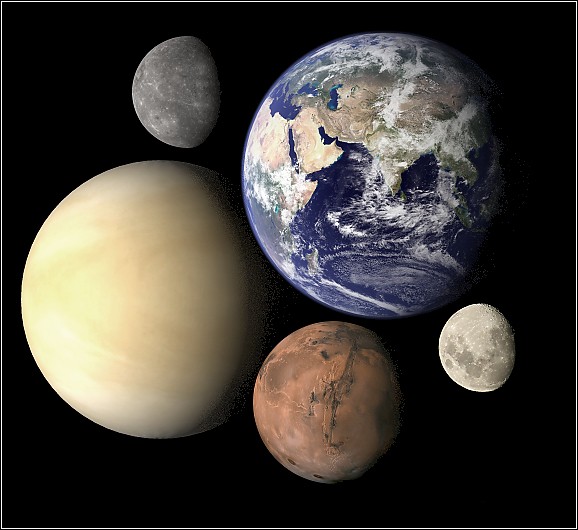
vcdiversity.org – The Inner Planets, also known as the Terrestrial Planets, are the four planets in our solar system that are closest to the Sun. They are Mercury, Venus, Earth, and Mars. These planets are called “inner” because they are located before the asteroid belt, which separates them from the outer planets. Here’s a brief overview of each:

  1. Mercury:
    • Mercury is the smallest planet in our solar system and the closest to the Sun.
    • It has no natural satellites and a very thin atmosphere, which cannot support life as we know it.
    • Mercury’s surface is heavily cratered, similar to Earth’s Moon, and it has extreme temperature variations due to its proximity to the Sun and lack of atmosphere.
  2. Venus:
    • Venus is the second planet from the Sun and is similar in size to Earth, often referred to as Earth’s “sister planet.”
    • It has a thick, toxic atmosphere that traps heat due to an extreme greenhouse effect, making it the hottest planet in the solar system.
    • Venus rotates very slowly and in the opposite direction to most planets (retrograde rotation), and it has a surface covered in volcanic rock and extensive lava plains.
  3. Earth:
    • Earth is the third planet from the Sun and the only known planet to support life.
    • It has a single natural satellite, the Moon, which plays a significant role in its tides and climate.
    • Earth’s atmosphere is composed of nitrogen and oxygen, which is vital for life, and it has a large amount of liquid water on its surface, making it unique among the planets.
  4. Mars:
    • Mars is the fourth planet from the Sun and is known as the “Red Planet” due to its reddish appearance, which is caused by iron oxide (rust) on its surface.
    • It has a thin atmosphere composed mostly of carbon dioxide, nitrogen, and argon.
    • Mars has the largest volcano and the deepest, longest canyon in the solar system, and it also has polar ice caps made of frozen water and carbon dioxide.

All four of these planets are relatively small, rocky, and have solid surfaces, which distinguishes them from the gas giants and ice giants that make up the outer planets. They also have relatively few moons compared to the outer planets, and none have rings like those found around Saturn and Uranus.

Perilous Places: The World’s Most Dangerous Countries

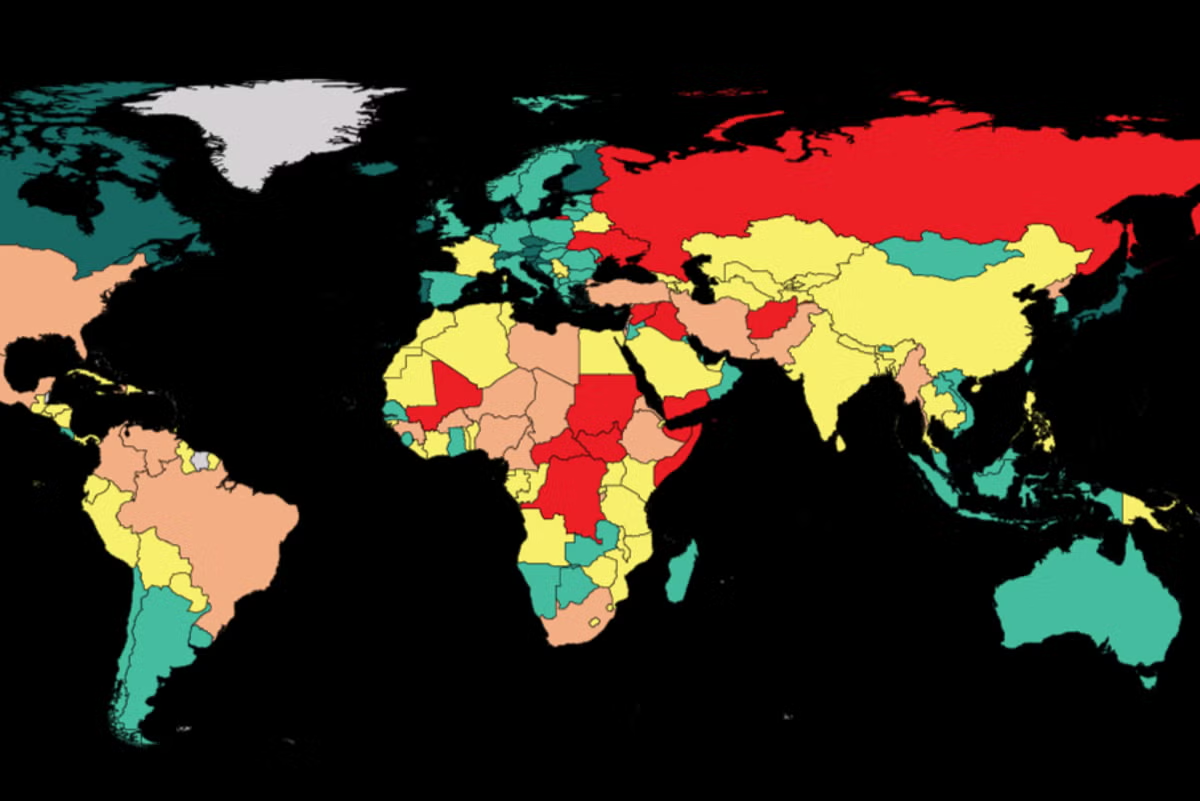
vcdiversity.org – The world is a vast and varied place, filled with wonders that beckon the adventurous and the curious. However, not all corners of the globe are welcoming or safe. Some countries are fraught with danger, whether due to political instability, violent crime, terrorism, or other perils. For those who travel or seek to understand the global landscape, it’s crucial to be aware of these perilous places. In this article, we’ll explore some of the world’s most dangerous countries, the risks they pose, and what factors contribute to their hazardous reputations.

1. Afghanistan

Afghanistan has been embroiled in conflict for decades, making it one of the most dangerous countries in the world. The Taliban’s takeover in 2021 has led to a significant deterioration in security and human rights. Terrorism, civil unrest, and a high risk of kidnapping are constant threats. The country also suffers from landmines and unexploded ordnance, posing a danger to both civilians and military personnel.

2. Syria

The Syrian Civil War, which began in 2011, has devastated the country, leading to a humanitarian crisis. The conflict has resulted in hundreds of thousands of deaths, millions of refugees, and widespread destruction. Terrorist groups, government forces, and various militias operate within the country, making it extremely perilous for civilians and foreigners alike.

3. Somalia

Somalia has been plagued by piracy, terrorism, and clan-based violence for years. The al-Qaeda-linked group al-Shabaab operates in the country, carrying out attacks and controlling large swathes of territory. The central government’s control is limited, and the country is one of the world’s most fragile states. Travel to Somalia is highly discouraged due to the extreme risk of kidnapping and violence.

4. Yemen

Yemen is in the midst of a complex civil war, with various factions including the Houthi rebels, government forces, and foreign intervention from a Saudi-led coalition. The conflict has led to a severe humanitarian crisis, with widespread famine, disease, and displacement. Airstrikes, crossfire, and terrorist attacks make Yemen one of the most dangerous places on earth.

5. Iraq

Although Iraq has seen some improvements in security since the height of the Iraq War and the defeat of ISIS, it remains a dangerous country. Sectarian violence, terrorism, and political instability pose significant risks. The country also faces threats from Iranian-backed militias and Kurdish separatists.

6. Libya

Since the fall of Muammar Gaddafi in 2011, Libya has been fractured by civil war and political division. Rival governments, militias, and terrorist groups vie for control, leading to a volatile and unpredictable security situation. Kidnappings, bombings, and armed clashes are common, making travel in the country extremely hazardous.

7. North Korea

North Korea is a reclusive state known for its human rights abuses, political repression, and nuclear ambitions. The regime tightly controls its citizens and borders, and foreigners are closely monitored. The risk of arrest and long-term detention for seemingly minor infractions makes North Korea a dangerous destination for travelers.

8. Venezuela

Venezuela is grappling with a severe economic crisis, hyperinflation, and political turmoil. Crime rates are among the highest in the world, with kidnappings, armed robberies, and violent crime posing significant risks to residents and visitors. The country’s infrastructure has collapsed, leading to shortages of food, medicine, and basic services.

9. South Sudan

Since gaining independence in 2011, South Sudan has been marred by civil war, ethnic violence, and famine. The conflict has led to widespread displacement and human suffering. The country is one of the least developed in the world, and the risk of violence, kidnapping, and disease is high.

10. Central African Republic (CAR)

The CAR has been ravaged by sectarian violence and civil war, leading to a breakdown in law and order. The country is one of the poorest in the world, and the government has limited control over much of the territory. Armed groups operate with impunity, and civilians are frequently caught in the crossfire.

Conclusion

The countries listed above are among the most dangerous in the world due to a combination of conflict, violence, political instability, and other factors. For travelers, journalists, aid workers, and those with a vested interest in these nations, it’s essential to understand the risks involved. Governments and international organizations often issue travel advisories and warnings for these perilous places, urging caution or advising against travel altogether. As the global situation evolves, it’s crucial to stay informed and aware of the dangers that exist in some of the world’s most troubled regions.